
Refrigeration and cooling
Chiller compressors, chilled- and condenser-water pumps, cooling-tower fans, and CRAH/CRAC fans
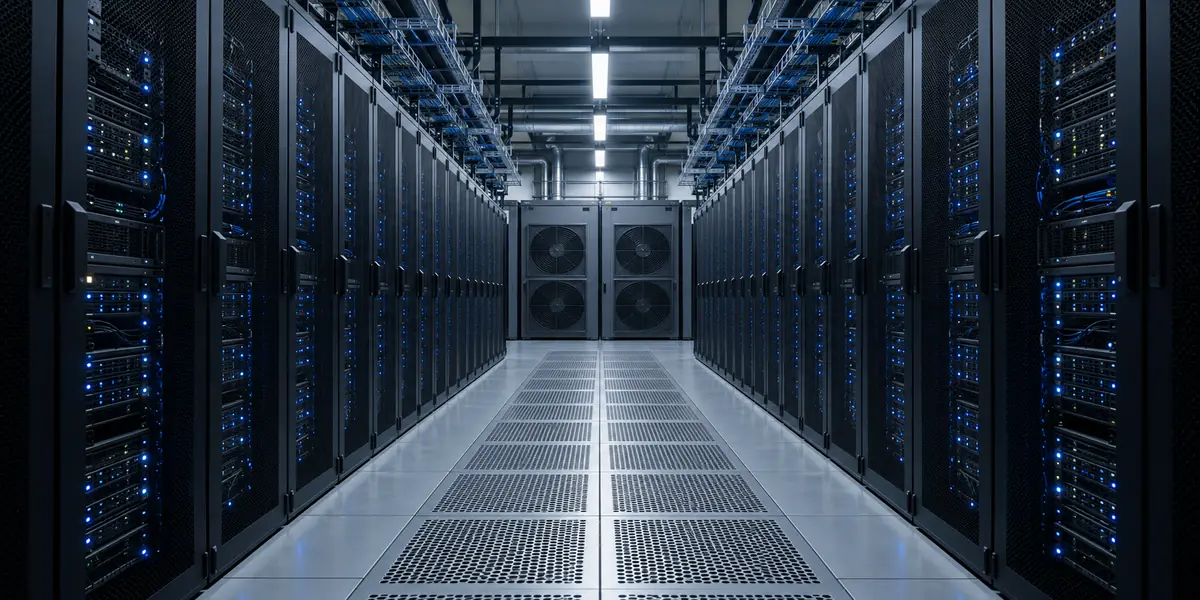
IT load never stops, so the mechanical and electrical plant behind it cannot either. edgeSV monitors the chillers, pumps, CRAH fans and transformers that keep servers cool and powered, with power quality data from the same measurement.
A data center runs servers and network equipment around the clock, so a single failure in the cooling or power path can affect IT services. Operations teams monitor thousands of readings and alarms through DCIM, BMS, and UPS systems, but early motor and VFD abnormalities or long-term feeder-load changes can be difficult to identify without dedicated condition analysis. Screening equipment issues that accumulate between routine inspections is essential for planning maintenance before they escalate.
Chiller compressors, chilled- and condenser-water pumps, cooling-tower fans, and CRAH/CRAC fans
Main transformers, PDU and busway feeders, cooling-equipment power feeders, and power quality
Standby pumps and fans, auxiliary equipment for standby chillers, generator output feeders, and transfer events
Compare condition trends across chiller, pump, and fan motors and VFDs to narrow down suspect equipment and support inspection and planned maintenance before cooling performance is affected.
Record transformer and branch-feeder loading, phase imbalance, and voltage events to review correlations between disturbances and equipment trips, as well as remaining capacity for expansion.
Add electrical-signal condition indicators to existing operations data. The device web interface and selected communication interfaces help teams prioritize inspections.
Equipment and priorities are organized by SV500's direct applicability and the customer's asset criticality. The following are website application scenarios and do not represent validated performance at a specific customer site.
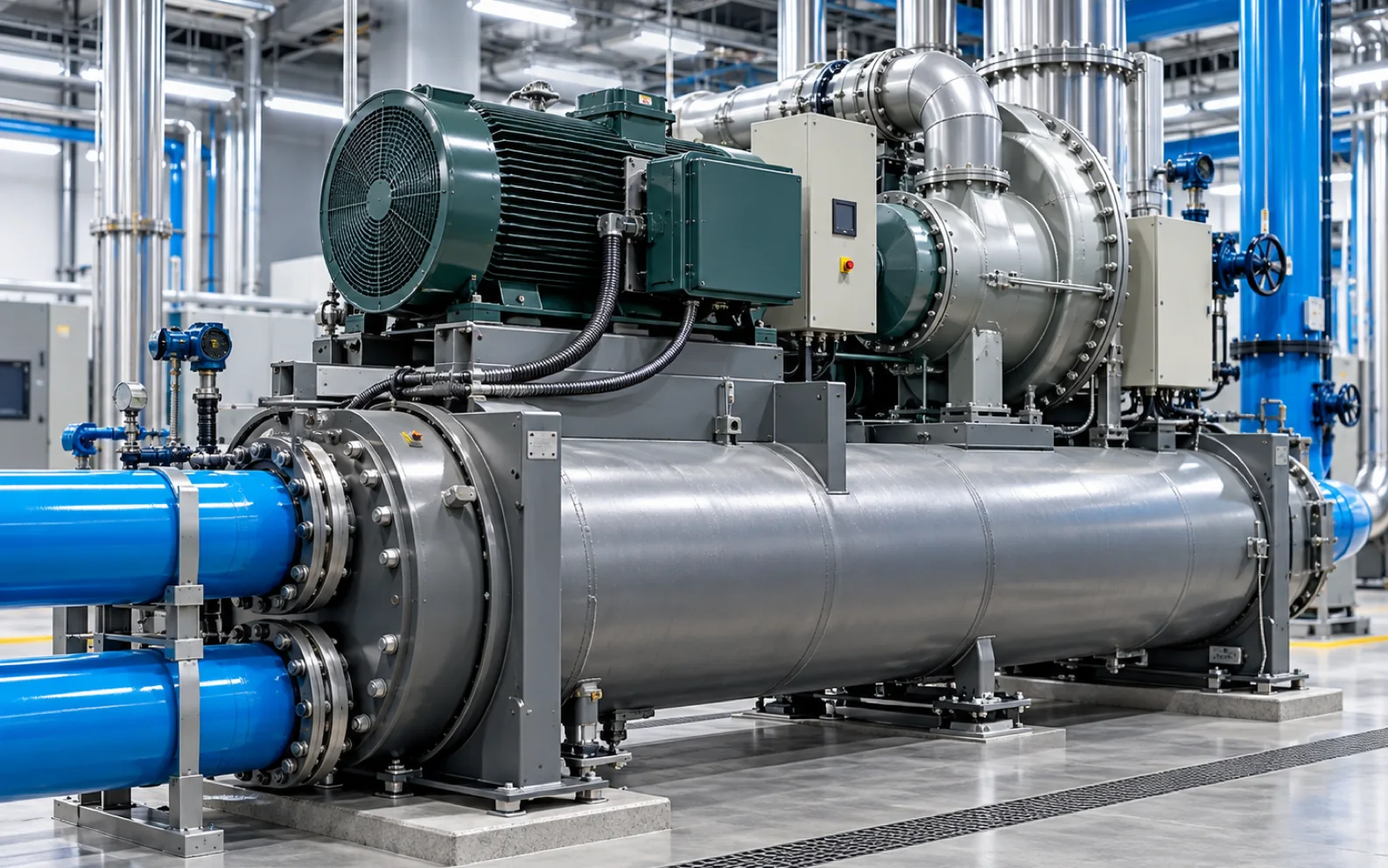
Compare current, power, and load changes in compressor motors and inverters to screen abnormal trends. Trends are compared between operating periods with similar cooling loads.
View details ›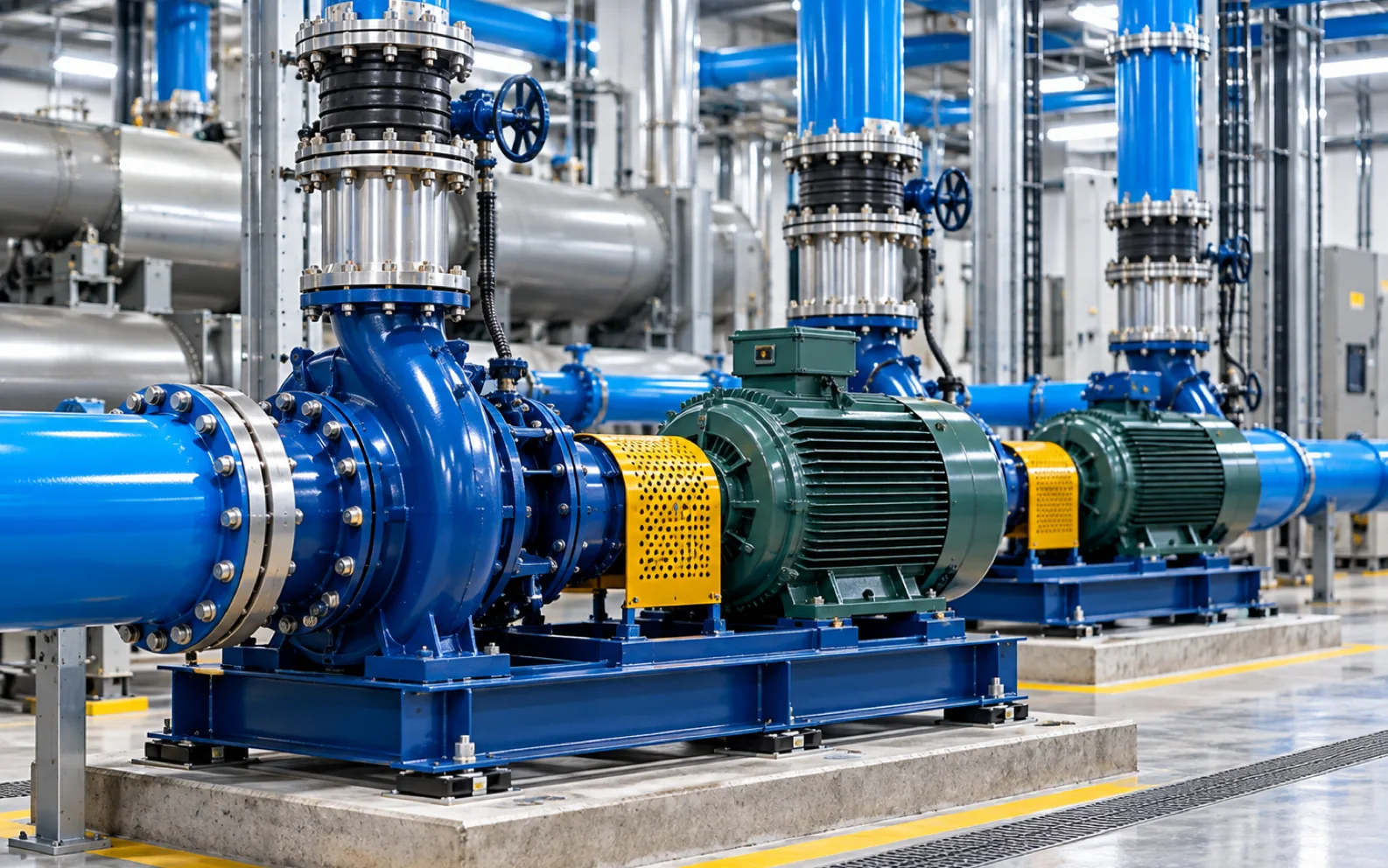
Monitor motor and inverter operating condition, load changes, and electrical abnormalities in chilled- and condenser-water circulation pumps. Confirm causes together with flow and differential-pressure measurements.
View details ›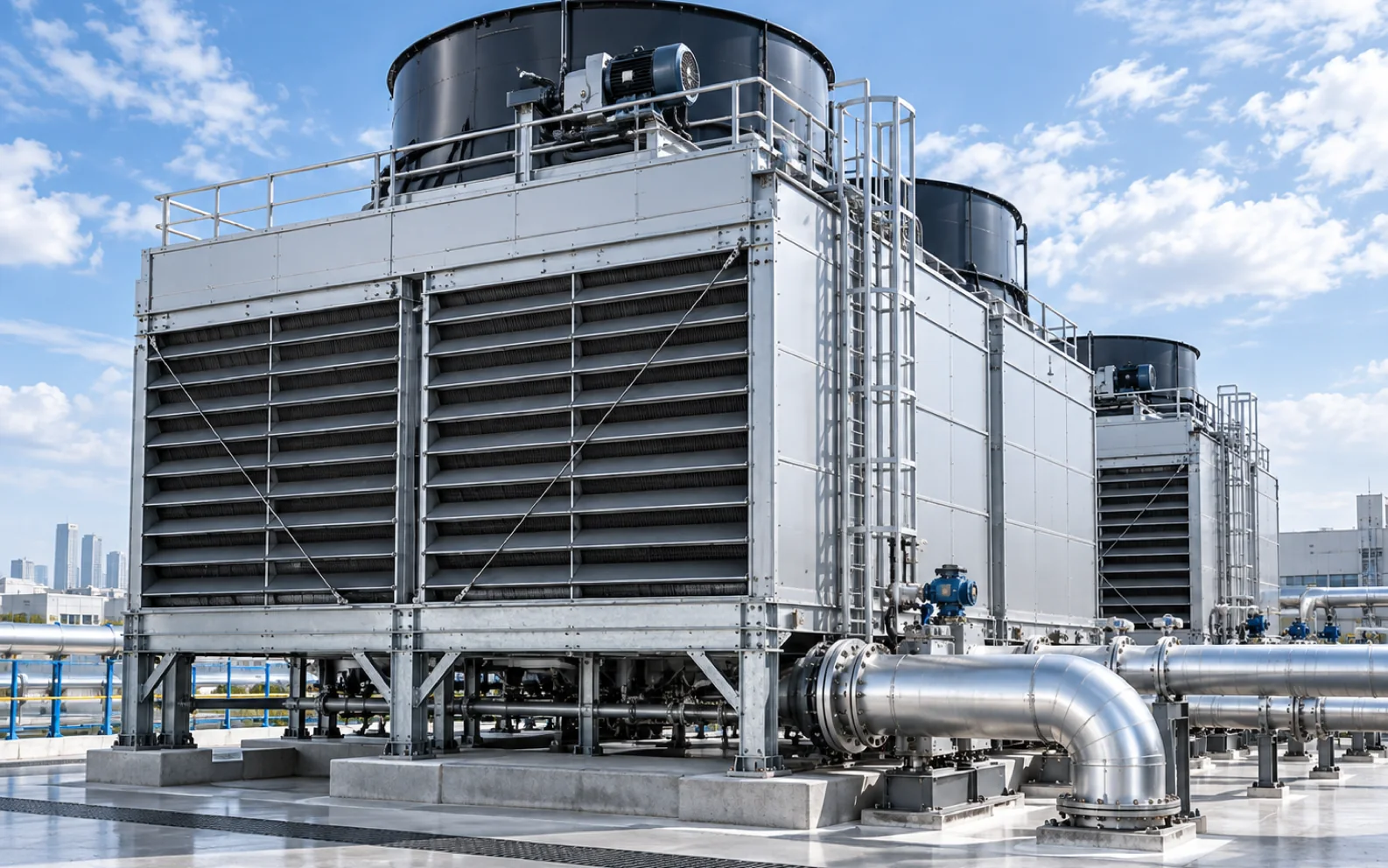
Check fan-motor and inverter imbalance, rotating-system abnormality indicators, and load changes to select inspection targets before cooling performance declines.
View details ›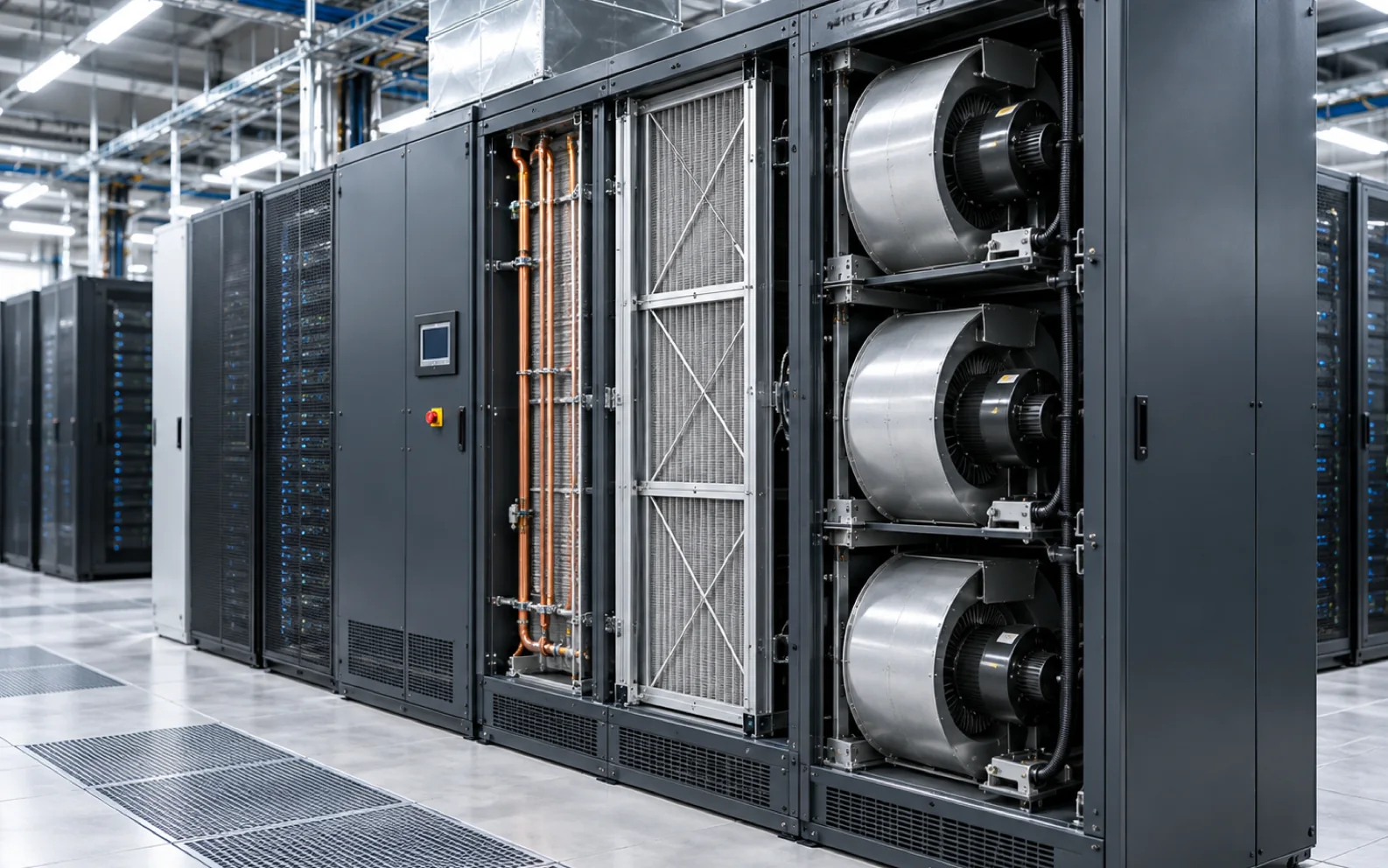
Compare current and power changes in supply-fan motors, inverters, and compressors where applicable, and evaluate them together with actual airflow and temperature data.
View details ›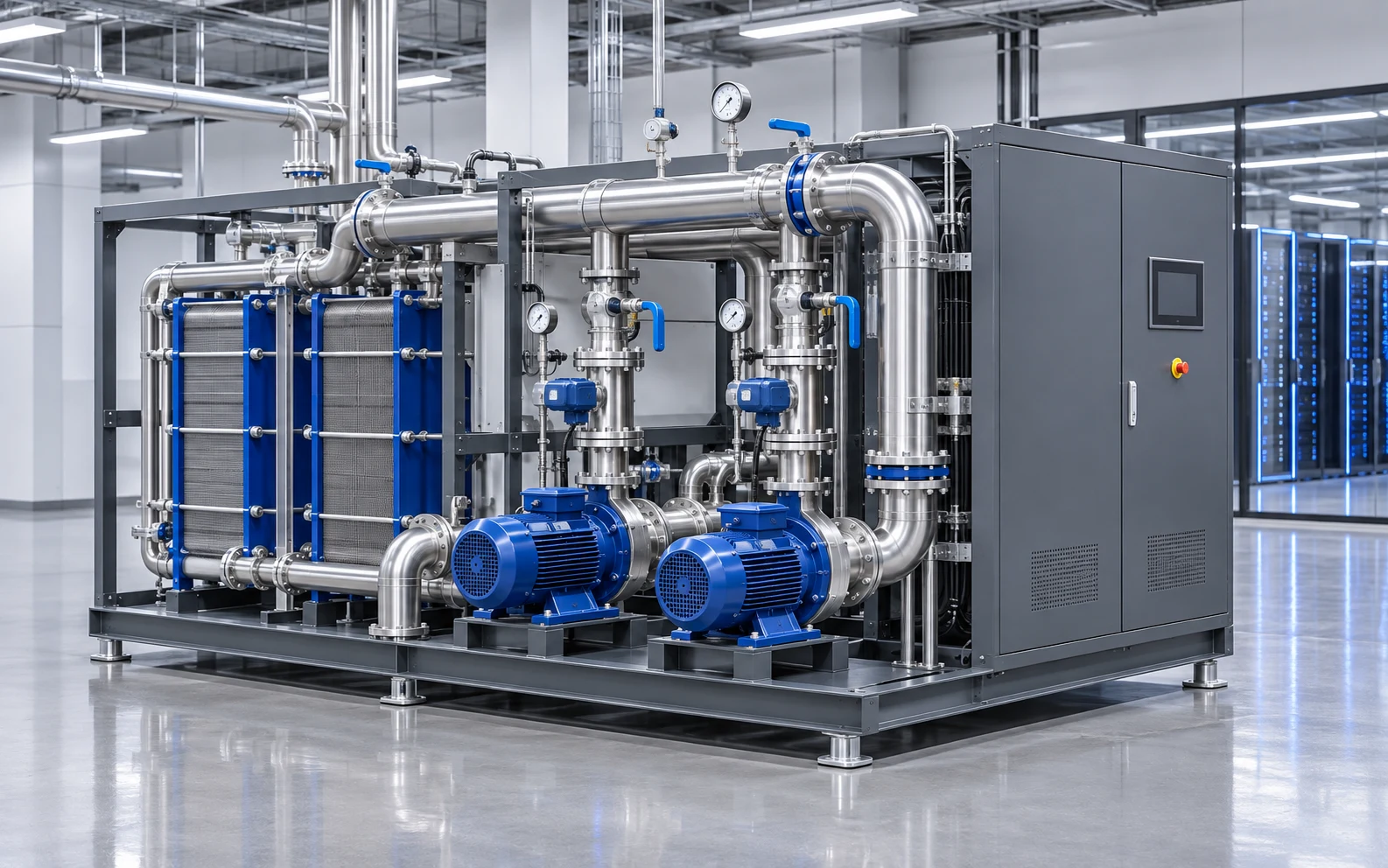
Monitor power and load changes in CDU circulation-pump motors. Evaluate thermal performance together with separate coolant flow and temperature measurements.
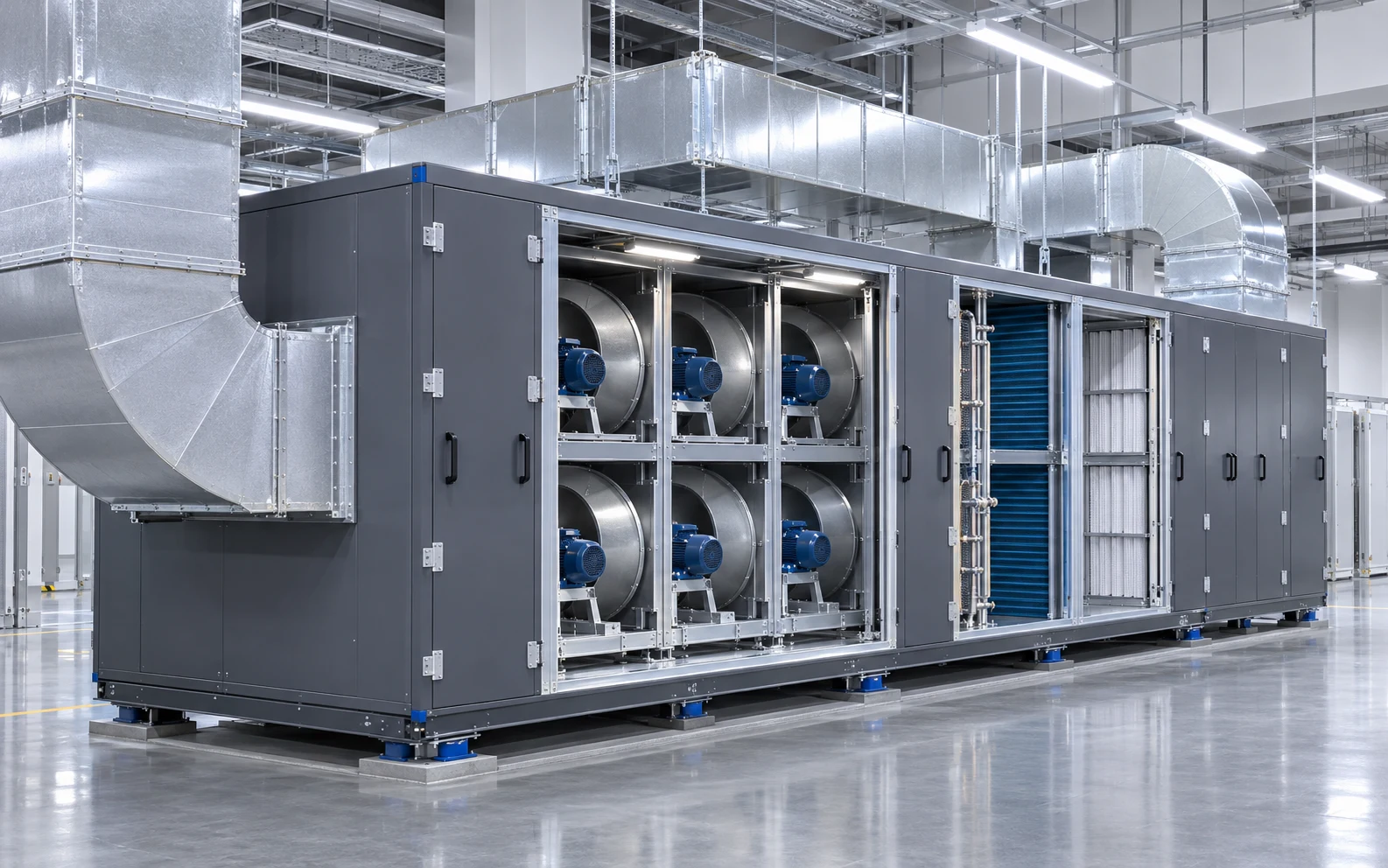
Review load changes in fan motors and inverters to screen abnormal trends in ventilation and air-conditioning equipment.
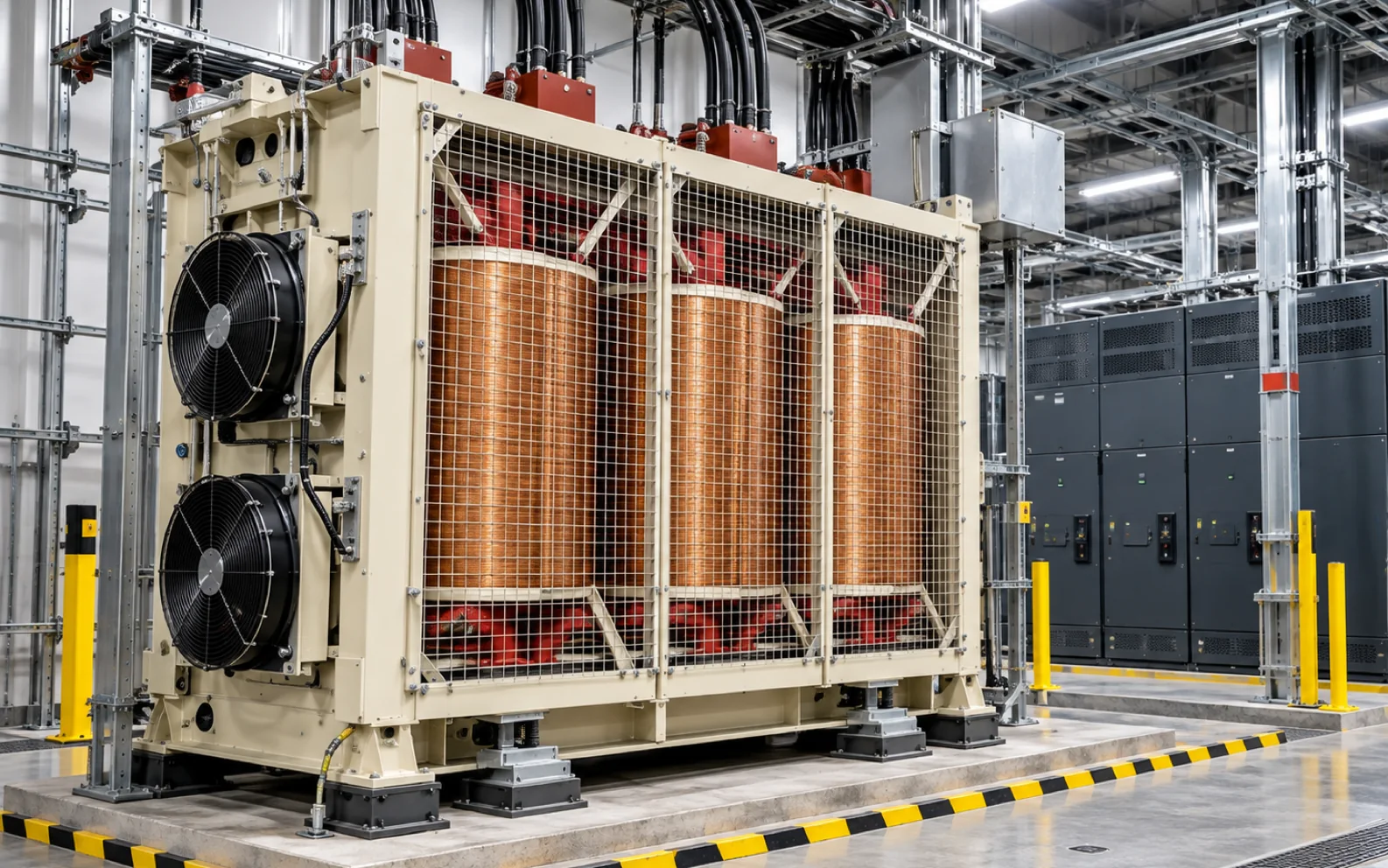
Review voltage, current, loading, power quality, and abnormal-condition indicators to obtain evidence for thermal-stress and spare-capacity assessments.
View details ›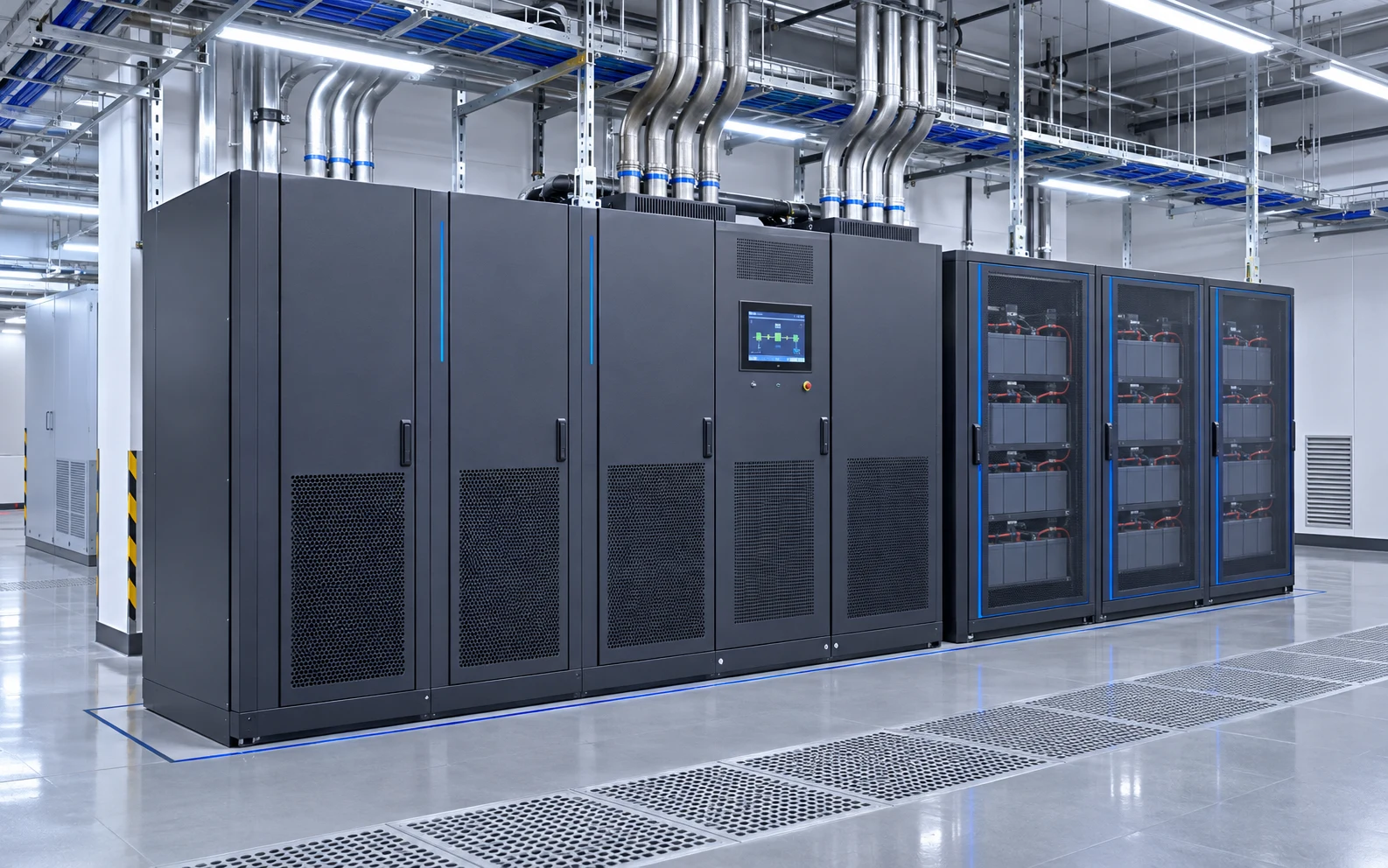
Measure UPS input and output power and power quality. Battery SOH and internal-component health require dedicated diagnostics.
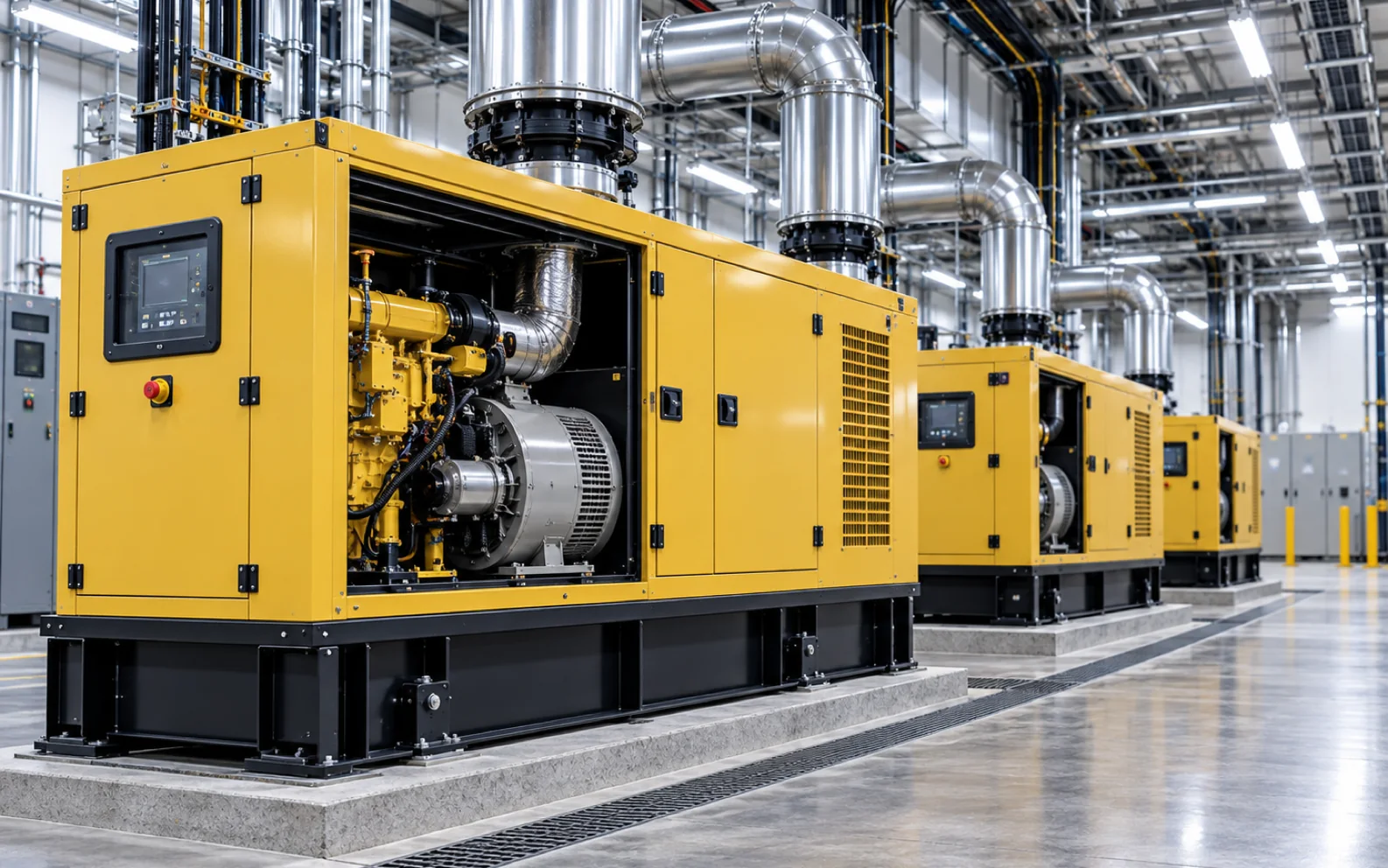
Record generator output power, power quality, and load. Engine, fuel, battery, and ATS health require separate inspection.
View details ›This example follows a cooling-tower fan motor from detection of a condition change through planned maintenance. Diagnostic results and intervention timing vary with site operating conditions and inspection findings.
Collect normal cooling-tower fan operating data and create reference trends for the same speed and load conditions.
If motor-current imbalance or a condition indicator continues to change, caution or warning items appear in the local web interface.
The operations team compares DCIM/BMS records to determine whether the change is load-related or a possible abnormality, then inspects the fan and VFD.
Plan required maintenance around redundant-equipment operation and work-approval procedures, then confirm the subsequent condition trend.
edgeSV complements temperature, pressure, and operating-state data from DCIM/BMS with electrical condition indicators for motors and VFDs and with power-quality history. It does not replace the existing monitoring system.
Start with equipment that affects cooling continuity, such as chiller compressors, chilled- and condenser-water pumps, cooling towers, and CRAH/CRAC fans. For the power path, select measurement points at main transformers and critical feeders.
No. SV500 provides drive condition and power trends. Cooling performance and PUE also require chilled-water temperature, flow and pressure, IT load, and equipment operating data.
Power quality and load upstream and downstream of a UPS can be checked depending on the measurement point, but this is not dedicated diagnostics that directly confirms battery SOH, cell degradation, or internal UPS component health.
Electrical-signal condition assessment is limited while stopped because there is no motor-current signal. Compare data from scheduled test runs or actual operation and retain startup-test records.
Use the SV500 local web UI and data interfaces such as Modbus TCP/RTU. MQTT and centralized integration screens depend on the agreed configuration and development scope and on the customer's network policy.
Review existing PT/CT wiring and available space inside the switchboard. Whether installation can be completed without an outage depends on the equipment design, safety procedure, and work-permit conditions, so a prior site survey is required.
No. It supports monitoring and recording of electrical events. Protective relays, breakers, thermography, insulation tests, manufacturer inspections, and statutory inspections must continue.
Measurement points and PoC scope can be agreed based on the equipment list, single-line diagram, operating conditions, and DCIM/BMS integration policy.
Send us your single-line diagram and critical asset list. We will propose monitoring points and a pilot scope.
Request a demo